
When people think about students dropping out of school, they often assume it is because of academic struggles. While poor grades can certainly play a role, the reality is much more complex.
Research indicates that there are many reasons why students may drop out: social isolation, low self-esteem, family problems, financial strain, mental health issues, and more. Disengagement is present long before a student decides to drop out. Therefore, it is critical to provide early support and strengthen connections.
Over time, feelings of loneliness or a lack of belonging can cause students to withdraw from school life altogether. One of the most effective tools schools have for high school retention is something many students experience every day: positive teen peer support and relationships.
The Power of Having Someone Who Understands
Friendships, peer relationships, and mentorship for students are particularly important during adolescence. While parents, teachers, and counselors are all helpful, teens will often turn to their peers first when facing challenges. Talking with someone who is experiencing similar situations can help students feel understood, accepted, and less alone.
Teen peer support and student support networks create opportunities for students to share experiences, offer encouragement, and help one another navigate academic and personal challenges. Whether it’s a friend checking on you during a bad day, a classmate offering to help you study, or a mentor giving you advice about balancing responsibilities, they all have the ability to make a meaningful impact.
Often, just knowing that there is someone else who cares about you can make a difference. Students who feel supported by their peers are often more willing to seek help, participate in school activities, and remain engaged in their education.

Peer Mentoring in Action
One effective form of peer support is peer mentoring. In these programs, older students mentor and assist younger ones in overcoming academic, social, and extracurricular obstacles. Because peer mentors are closer in age and experience, younger students may be more willing to disclose issues or ask questions they might hesitate to ask adults.
Research has shown that mentorship for students and student support networks have been associated with improvements in school connectedness, peer relationships, and self-esteem. These programs can be especially valuable during important transitions, such as entering high school.
Mentors benefit from this experience as well. Serving as a peer mentor helps students develop leadership, communication, and problem-solving skills.
Supporting Friends the Right Way
While peers can provide meaningful support, it’s important to recognize that students are not expected to solve every problem on their own. Being a supportive friend means listening without judgment, encouraging positive choices, and helping their friends identify when trusted adult support is needed.
Another important aspect of teen peer support and preventing dropouts is inclusion. Students who feel disconnected from their peers are often at a greater risk of disengaging from school over time. Creating welcoming environments through clubs, extracurricular activities, and social groups will allow students to find a greater sense of belonging. Studies examining student engagement and dropout prevention have consistently found that students who feel accepted, valued, and connected are more likely to be engaged in school.
Final Thoughts
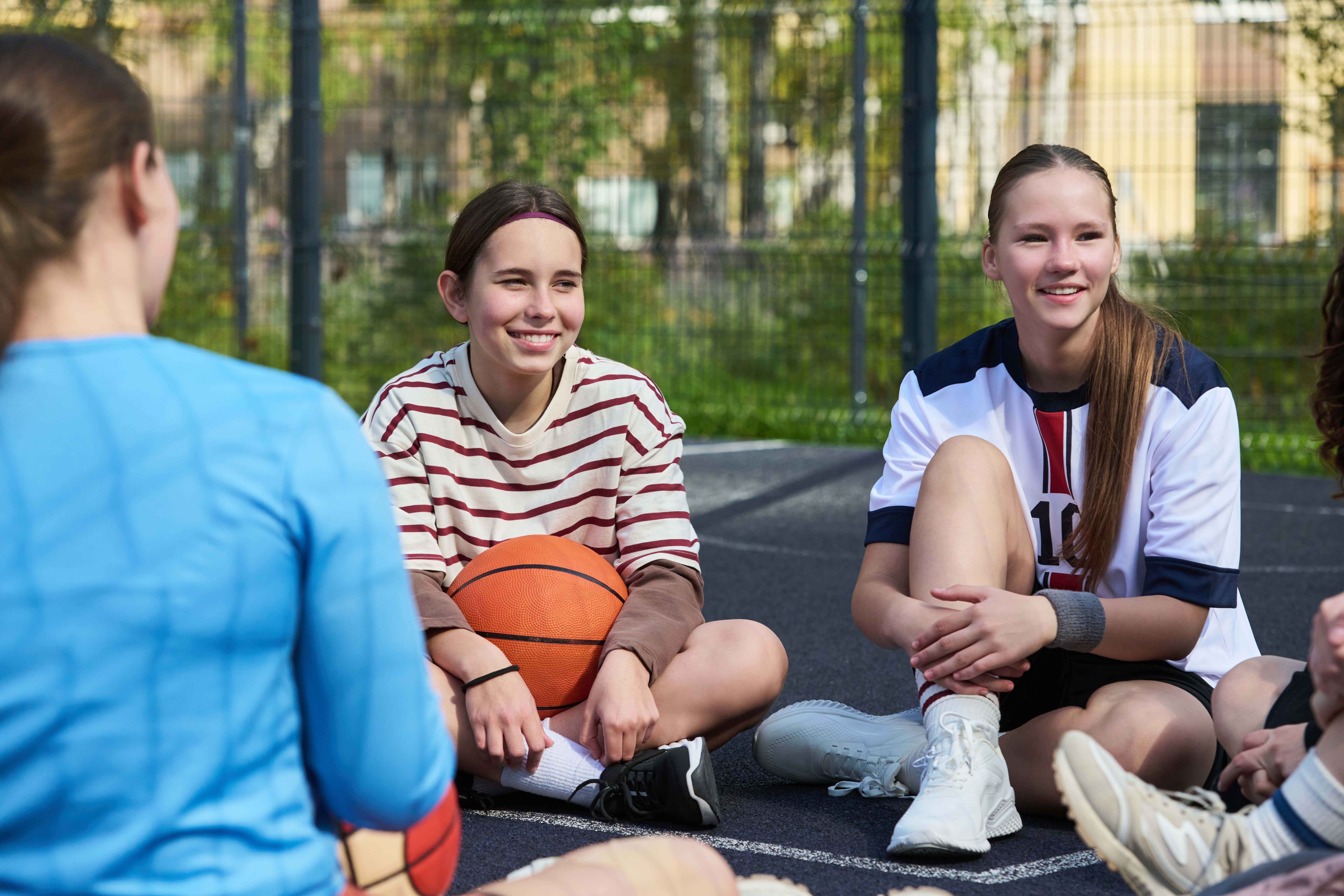
Preventing dropouts in high school requires more than academic support alone. Students need meaningful connections with their peers that will help them feel seen, valued, and supported throughout their educational journey. Peer mentor programs, making friends through extracurricular activities, and student-led initiatives all provide students with the ability to create positive peer relationships.
Teen peer support like friendship, mentoring programs, and student-led initiatives foster belonging, engagement, and resilience. By helping one another stay connected to school and encouraging positive involvement, students can make a real difference in ensuring that more of their peers stay on track toward graduation and future success.
For more thoughts on high school retention and building perseverance through community, check out our blog Resilience Through Community: Why Support Systems Matter for Teens.