Black History Month honors the powerful legacy of African Americans who shaped history through courage, creativity, and conviction. While we often look to well-known civil rights icons and pioneers of the past, today’s trailblazers are also found in a new generation of change-makers: teens who are stepping up, speaking out, and shaping the future.
This upcoming February, we recognize African American teen leaders who have made headlines. They are healing communities, leading movements, and carrying forward a powerful legacy of activism and service. Their stories remind us that leadership doesn’t have to come with age- it comes from heart, action, and purpose. Teen leadership inspiration is at the core of their impact.
Feature Story: Alena Analeigh McQuarter, Breaking Barriers in STEM
When Alena Analeigh McQuarter was only 13 years old in 2020, she became the youngest Black woman ever admitted to medical school in America upon her acceptance into The University of Alabama at Birmingham’s Heersink School of Medicine. She had already completed high school early and was taking college courses in STEM, a field where she would become a beacon of teen leadership inspiration.
Beyond excelling academically, through Brown STEM Girl, Alena provides scholarships to help young women of color think broader and enter into previously male-dominated occupations and industries within the Science, Technology, Engineering and Math disciplines.
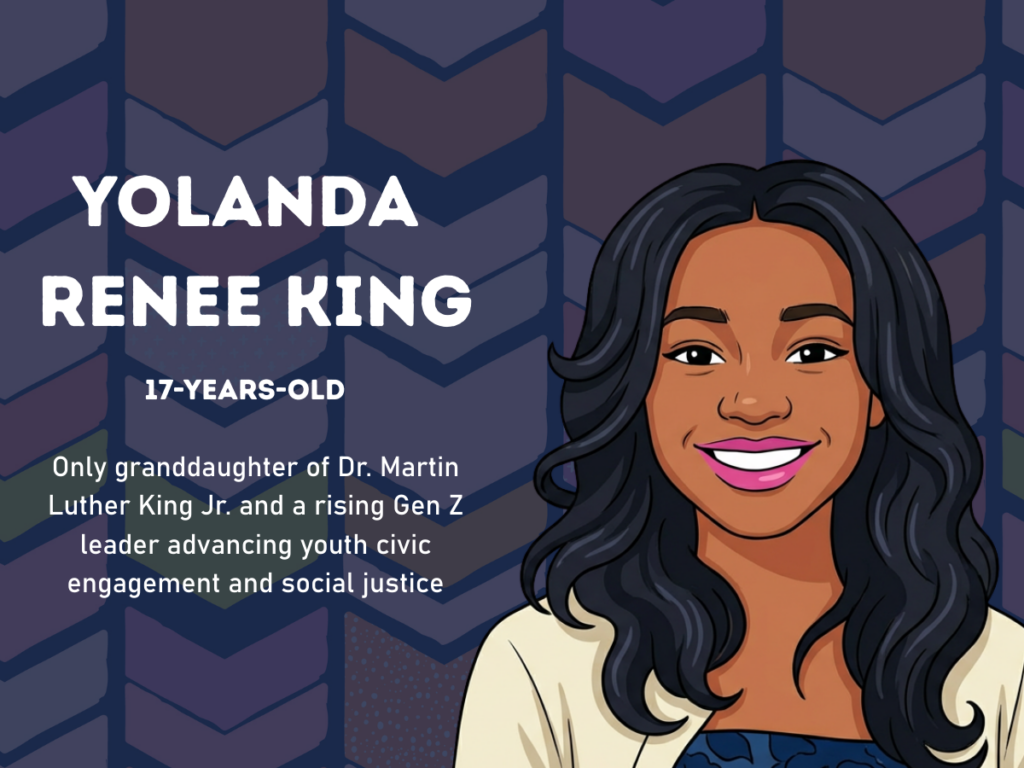
Starting as an eager 3-year-old reading chapter books, Alena has already achieved many things during her short lifetime; However, the most notable accomplishment of Alena was becoming the youngest intern at NASA’s Jet Propulsion Laboratory at 8 years old and having completed real research projects.
Alena is an excellent example of how an individual’s curiosity, creativity, and empowerment of their community can be mutually beneficial. Just as Alena does through Brown STEM Girl in providing young women of Color with scholarships and mentoring, she is also demonstrating how a single young leader can motivate others to reach higher than they may have previously imagined. Her drive, intellect, and willingness to lift others through education make her a shining example of teen leadership inspiration in action.
Feature Story: Yolanda Renee King, Carrying the Legacy Forward
Yolanda Renee King is not only the granddaughter of Dr. Martin Luther King Jr., but she also has a name that will forever be associated with the history of the civil rights movement. However, instead of merely existing in the shadow of her grandfather, 17-year-old Yolanda is making a name for herself through civic action, public speaking, and engaging young people.
As a Gen Z leader and someone who advocates for social justice by working to protect the rights of all citizens through voting; advocate for racial justice; and advocate for changes, The Realize the Dream Project (RTDP), co-directed by Yolanda, encourages young people to contribute millions of positive service hours to their communities- an effort that perfectly embodies teen leadership inspiration.
Yolanda is also a co-author of the book We Dream a World, which is a call to inspire other young people through their geometric patterns of art, based on the principles of goodwill that her grandfather taught her. Within the book, she encourages teen leadership inspiration by sharing her own stories, advice, reflections, and insights with her fellow youths’ desire to engage in the social change process.
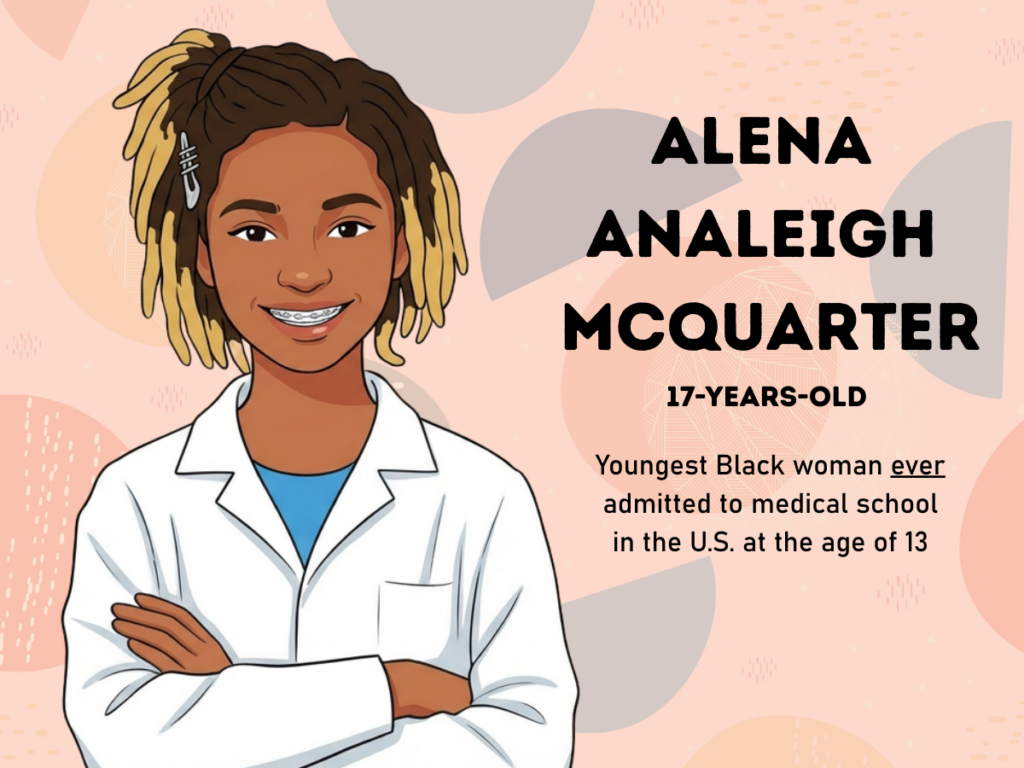
Yolanda once stated, “I honor my grandfather by creating a path for myself — not by following my grandfather’s path, but by making my own way.” Through her dedication to young leaders, Yolanda shows that as young leaders today, we can honor our heritage by establishing a legacy for ourselves.
Other Young Leaders to Watch
Yolanda and Avery are not alone; many other young African American leaders are making meaningful contributions across the country, each offering unique forms of teen leadership inspiration that reflect their passions and communities.
Jerome Foster II was a 16-year-old environmental activist who protested in front of the White House and is now an adviser for climate policies. Now, at 23-years-old, he works to elevate the voices of youth in environmental justice. As a member of the White House’s Environmental Justice Advisory Council, Jerome’s efforts to involve more youth in shaping climate solutions serve as a vital form of teen leadership inspiration.
Marley Dias started the #1000BlackGirlBooks campaign. She promotes diversity in literature and continues to hold national conversations about representation in education. The #1000BlackGirlBooks campaign began at the young age of 11 when Marley decided to take action, which has now led to national speaking tours, media appearances, and changes to school curriculum.
Each of these young leaders provides proof that leadership isn’t just a single pathway, but many different ways to engage in creating impact. They demonstrate how Black youth can lead change in the future, as well as through books, protests, science, and community. Whether through activism, education, policy, or storytelling, teen leadership inspiration emerges when youth see challenges as opportunities to make a difference.
Final Thoughts: How Teens Can Inspire Change Today
The stories of these young leaders show us that change and action can be led by youth and not just adults; action can begin today. During Black History Month this year, we can learn the power of teen leadership inspiration and find ways to nurture it in our communities:
- Donate, volunteer, or help amplify their efforts through online platforms.
- Encourage young people in your life to take an active role in leadership within their schools and communities by encouraging them to pursue, develop, and speak to leadership opportunities.
- Promote educational inclusion by including today’s youth activists when discussing prominent figures in history.
- Celebrate the accomplishments of this generation of Black leaders outside of February and on a year-round basis.
Because age does not determine the ability to be a leader, and the future is dependent on both the choices of these youth and the support offered to them by others today.