High school graduation marks an exciting time in a student’s life, but it is also a time of uncertainty for many. Graduating is the beginning of a new chapter full of new decisions, responsibilities, and opportunities for growth. Whether they plan to go to college, get a job, become a tradesman, or choose a different route, transitioning from high school to adulthood is often a time for a graduate to explore new possibilities and gain greater independence.
The bright side is that success and life after high school and post-graduation planning looks different for each graduate. There are more options for graduates than ever before, and each graduate can choose their own path based on their interests, goals, and strengths.
Exploring Your Options
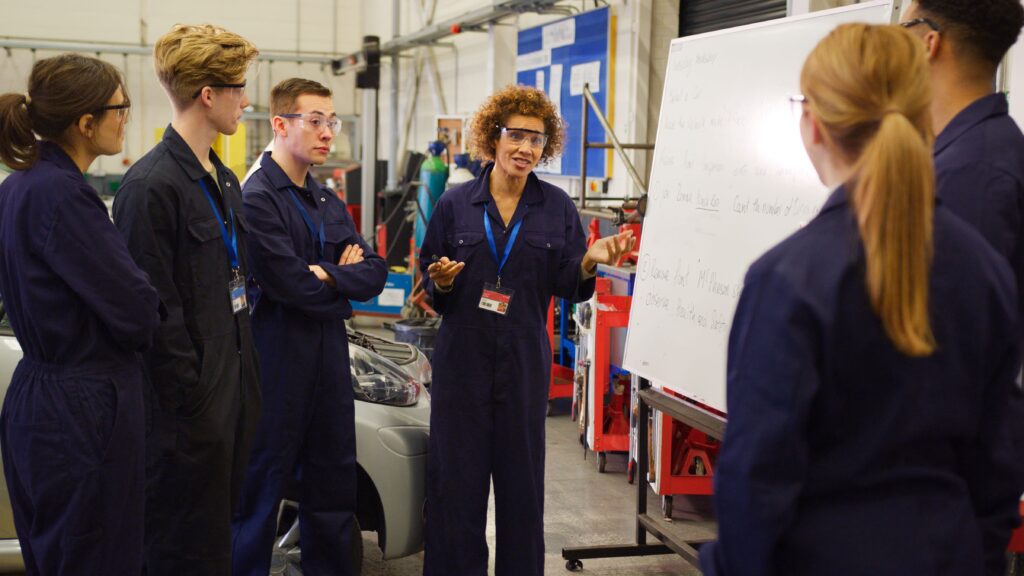
While a traditional four-year degree from a college or university is usually the first choice for many students after high school, it is not the only path to a successful future. Some students tend to go to community colleges that offer low-cost education and vocational training programs. Some may even achieve the same goal through trade schools and apprenticeships, which usually provide training on the job. Trade schools and apprenticeships are great paths for careers such as construction, healthcare, and other skilled trades. Some graduates may enter the workforce immediately, taking up a full-time job. Others may decide to serve in the military, volunteer for a few months or years, or even take a gap year- all experiences that provide valuable life and career skills.
Teen career planning resources emphasize how essential it is to find out more about your own interests, skills, and goals before making any decisions. By knowing your options, you will be able to choose a career path that is meaningful on a personal and professional level.
Essential Skills Every Graduate Should Develop
No matter their choice of career, students can benefit from numerous skills that are effective in life after high school. The ability to communicate effectively is important because it provides the foundation for effective teamwork, collaboration, and interpersonal relationships. Subsequently, effective time management and planning skills will also be necessary because there is an expectation that once they complete their education, graduates will assume greater responsibility.
Problem-solving and critical thinking skills are also essential in navigating challenges like the high school transition and making informed decisions. Self-advocacy is another valuable ability, allowing individuals to seek support, ask questions, and take initiative when opportunities arise. Transferable skills like these are highly sought after, according to employers, educational institutions, training organizations, and many others.
Financial Readiness Matters
Financial literacy is a vital component of preparing for life after high school and post-graduation planning. With graduates starting to make their financial decisions independently, learning the essential financial concepts can be essential for the establishment of a positive long-term financial life.
Knowing how to budget, open a bank account, save money, and differentiate between needs and wants will equip the youth in the community for the future. Research regarding financial education asserts that forming financial knowledge from early on will contribute to stronger financial outcomes in the future.
One of the best college prep tips is guiding students who plan to attend university on how to execute research on school fees, banking options, scholarships, and loans. It is essential for graduates entering the workforce to learn how to read a paycheck, understand tax deductions, and protect their money through special accounts.
Final Thoughts
Transitioning towards adulthood does not mean having every detail figured out before graduation. The process of teen career planning involves building the knowledge, skills, and self-confidence to manage anything that comes your way. By exploring different pathways and opportunities, learning how to manage oneself, and learning financial literacy, students can approach adulthood with a greater sense of readiness.
Everyone has their own idea of what success looks like. Instead of focusing on this aspect, concentrate on the idea of progression of your high school transition, being open to new opportunities, and realizing that learning does not stop after high school.