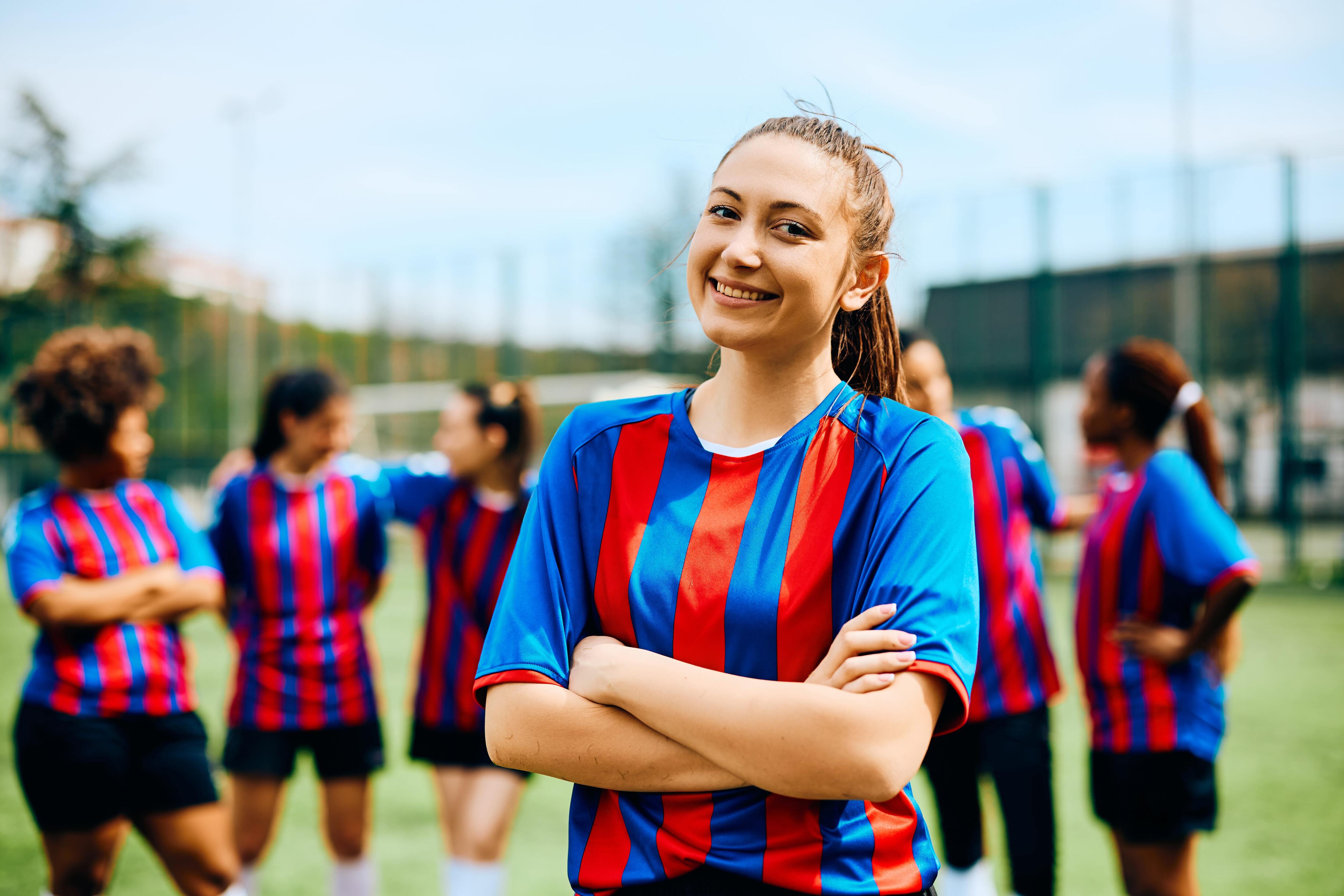
Leadership doesn’t just appear in adulthood- it’s built over time. Adolescence is the most important time for developing effective leadership skills. This is when young people begin to form their identities, develop skills, and create their communication style. These early life experiences aid the development of confidence and self-esteem that positively affects a teenager as they transition into adulthood.
High school sports are one of the most effective ways to develop leadership skills, especially when it comes to teen sports leadership. Unlike most school environments that are typically classroom-based, sports provide teens with the opportunity to learn cooperation, flexibility, and performance under pressure. Whether it is making a split-second decision in the heat of battle or comforting a teammate after a missed opportunity, sports act as a ‘real-world leadership classroom’ where lessons are learned through experience, not theory.
The Psychology of Athletic Leadership in Adolescence
Adolescence is a transitional time in life for all three main domains of development-cognitive, emotional, and social. Research from The National Institutes of Health (NIH) indicates that adolescents can use structured activities like sports to improve their social competency, regulate their emotions, and develop their leadership abilities. Athletes must learn how to communicate effectively, the ability to manage one’s own emotions when under duress, and the ability to work toward a common goal.
Additionally, skill acquisition during adolescence is highly influenced by repetition and real-world application. Sports offer both. Practices, games, and teamwork for teens reinforce teen sports leadership development over time, helping teens internalize them as habits rather than isolated actions.
5 Key Leadership Skills Teens Learn Through Sports
Communication is a core part of effective athletic leadership. A great athlete will develop ways to communicate with teammates while also providing constructive feedback. These skills will enable your teen to develop their own voice through time while also developing active listening skills- two of the most critical attributes of effective leaders will develop through participating in sports.
Resilience is part of the game in ANY and ALL sports. Sports give us a chance to experience failures and setbacks, and learn from them. Learning from these experiences gives teens the tools to develop a mindset of resilience, arguably one of the most significant results of leadership development. Per a collection of research studies published through The National Institute of Health, youth that participate in sports are more likely to display higher levels of perseverance and emotional control.
Discipline is developed through practice, time management, and dedication to improvement. Athletes quickly learn that success doesn’t come without effort. This mindset translates directly into teen sports leadership, where consistency and accountability are key.
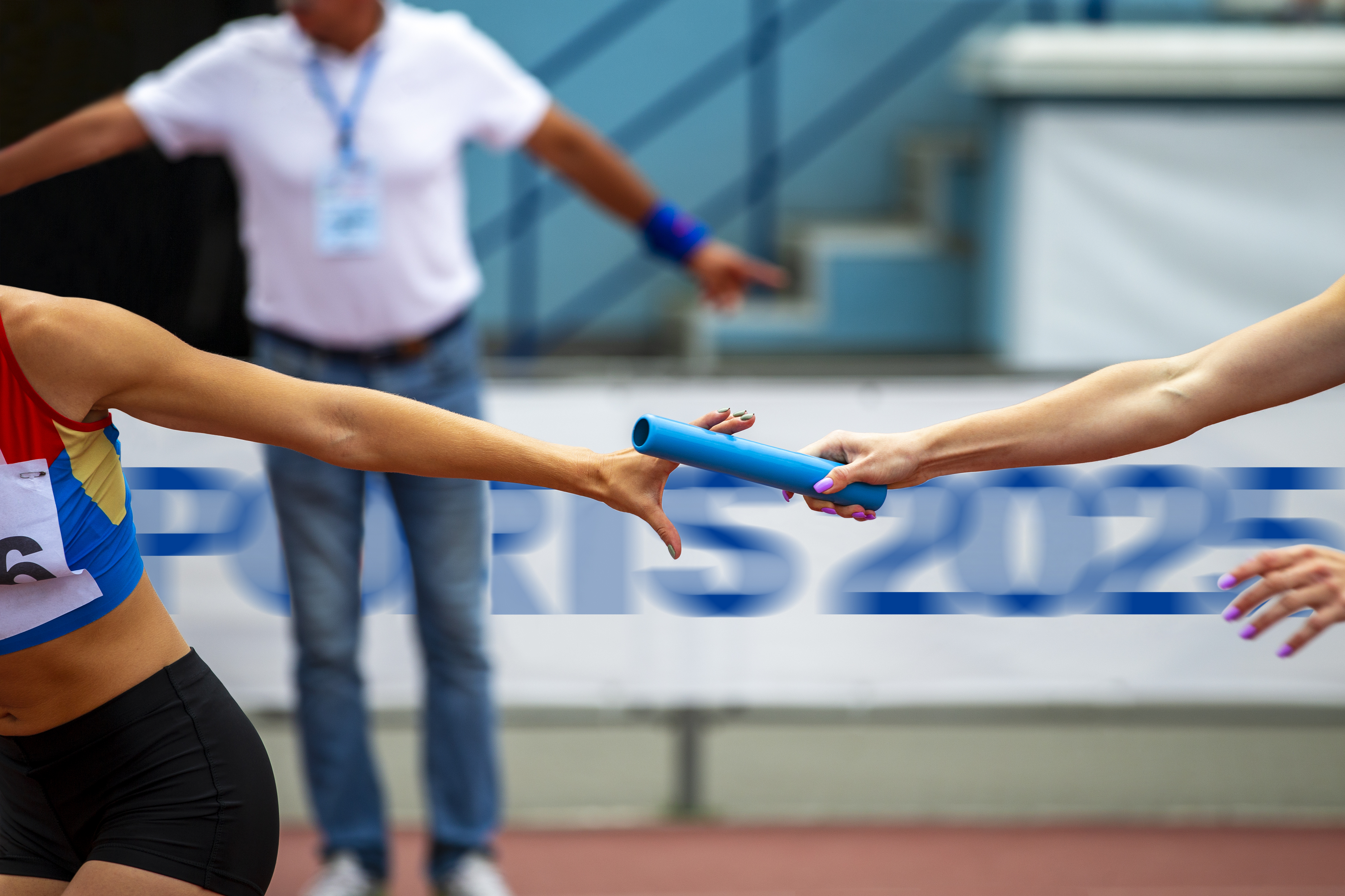
Confidence is gained by participating in sports and being offered a platform to test their skills and track progression towards success. Bettering your performance and contributing to your team’s success are examples of how participating in sports can help build confidence in your teen. According to Project Play, teens participating in sports have been shown to have a boost in self-esteem and a greater sense of who they are versus those youth not participating in sports.
Strategic thinking skills give you the ability to analyze your environment, anticipate varying outcomes, and make split-second decisions. This is a vital skill in sports, and one of the key characteristics of being a successful leader. Sports teach teens how to assess their environment quickly and adapt their strategy mid-game.
The Role of Coaches and Team Environment
Coaching and team dynamics are key factors in building and developing high school sports skills. Positive coaching goes beyond teaching technical skills- it focuses on mentorship, encouragement, and personal growth.
The US Olympic & Paralympic Committee states that supportive coaching environments significantly enhance leadership and character development in youth athletes. Coaches who empower players, encourage autonomy, and foster accountability create conditions where teen sports leadership can thrive.
Teamwork for teens also creates the opportunity to develop leadership skills. Being part of a team teaches teens how to navigate different personalities, resolve conflicts, and work toward shared goals. These experiences mirror real-world leadership scenarios, where collaboration and emotional intelligence are critical.
In the long term, individuals who participate in sports are more likely to demonstrate leadership qualities in professional settings. A report highlighted by Forbes found that many executives and successful professionals attribute their leadership abilities to lessons learned through sports. Additionally, high school sports skills contribute to mental well-being by reducing stress, improving mood, and fostering a sense of belonging. These factors play a critical role in shaping well-rounded leaders who can manage both personal and professional challenges effectively.

Final Thoughts
Sports are more than just physical activity. They are one of the most powerful environments for developing leadership skills in teens. Through communication, resilience, discipline, confidence, and strategic thinking, young athletes gain real-world experience that prepares them for future leadership roles.
When supported by strong coaching and positive team environments, these lessons become even more impactful, shaping not just better athletes but more capable and confident individuals.
Encouraging teens to participate in sports isn’t just about fitness or competition, it’s about investing in their future as leaders.