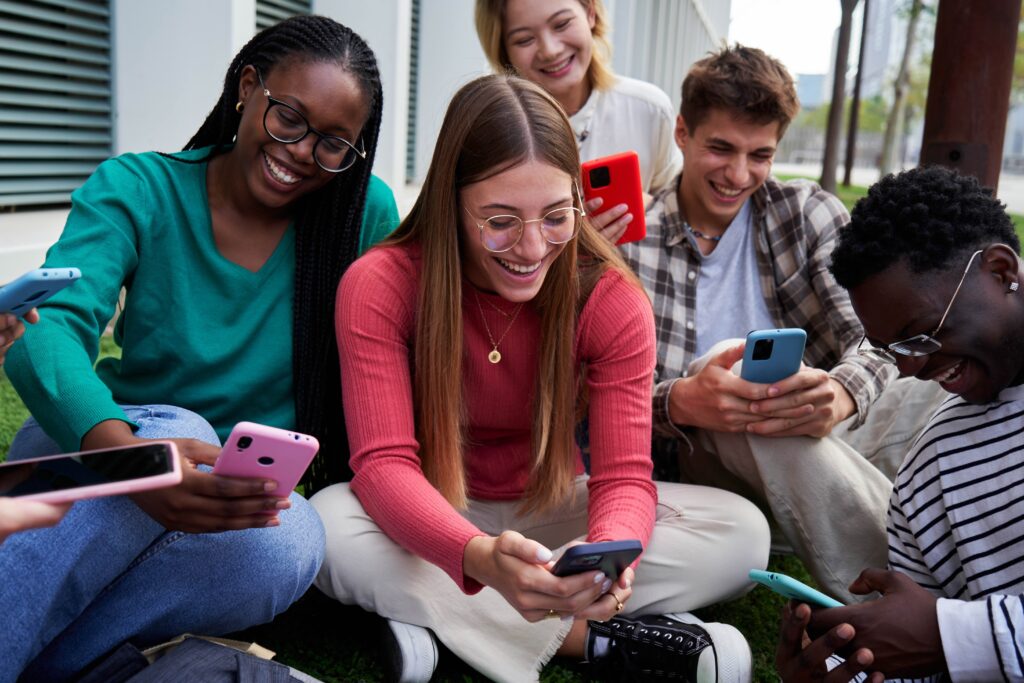
For many teens, social media is a part of everyday life. They use platforms like Instagram, TikTok, and Snapchat to communicate with friends, explore interests, and share experiences. Although social media may be associated with potential risks, studies suggest that it can also provide significant benefits when used thoughtfully and responsibly.
Social media is much more than solely entertainment. It can also be a powerful tool for education, leadership, advocacy, and good influence. Every post, comment, and share affects other users in different ways. By practicing responsible social media use and applying these teen social media tips, students can move beyond passive scrolling and use their platforms to participate in and create positive change.
What Positive Influence Looks Like Online
Making a positive impact on social media isn’t about being famous or having viral content. Often, it starts with small actions that encourage, educate, or inspire others. By applying teen social media tips the right way, teenagers will be informed of important issues, make the world a kinder place, spread awareness of various matters they find significant, and make them engaged in solving community problems.
Research from UNICEF notes that digital platforms allow youth to develop civic identities, express ideas, and participate in conversations about issues affecting their communities and the world around them. By sharing their perspectives and engaging in thoughtful discussions, teens can demonstrate leadership, connect with others who share similar interests, and inspire meaningful action both online and offline.
Creating Content That Adds Value
Creating content that adds value to others is one of the best ways to be an inspiring force on the internet.
Educational content can be useful to those who want to gain new skills, find resources, and learn about new topics. Students may use their digital citizenship to tell each other about study tips, career readiness advice, volunteering, and personal life lessons based on their successes and struggles. Authentic stories are particularly important for teens to learn from real experiences rather than unrealistic portrayals of success.
Positive content may similarly showcase engagement with the community. One can attract an audience by sharing their volunteering projects, community service initiatives, charity drives, and other local initiatives. By using social media to highlight the positive social influence teens need, students can inspire their peers to contribute to their schools and communities.

Avoiding Common Pitfalls
While social media offers many opportunities, it is important to recognize the potential challenges as well.
One common issue is fake news. Teens must fact check any information through credible sources before sharing it. Misinformation can easily cause misunderstandings and damage your online credibility. All social media users should think critically about the content information they decide to consume or share. Building a positive online reputation teens can be proud of starts with sharing accurate information and demonstrating responsible behavior online.
Another challenge is the presence of negativity on the internet. Arguments, unkind remarks, and harmful interactions can easily spread through different digital platforms. Positive influencers strive to remain respectful, tactical, and know when to walk away. Demonstrating respectful and professional behavior online can help create healthier online environments.
Oversharing is another potential pitfall. It’s important to remember that not all private moments should be shared on social media. Before sharing any sensitive or personal information, think carefully. This will help protect your privacy, strengthen the online reputation teens develop over time, and support a more balanced relationship with social media. Developing healthy boundaries is one of the most important teen social media tips, and is an important part of responsible digital citizenship.
Final Thoughts
Social media is a powerful tool, and like any tool, its impact depends on how it is used. While it can present challenges, it also offers a platform for learning, connection, and positive change. The data shows us that responsible social media use can support social connection, self-expression, community involvement, and civic engagement.
Through their creation of meaningful content, practicing kindness online and offline, and responsible use of their digital voices, teens can become positive leaders on their digital platforms. Each post has the potential to encourage, educate, or inspire someone else Be sure to practice these teen social media tips to help make social media a meaningful platform for leadership and positive impact.