
Today’s teens face a variety of challenges that previous generations did not experience in the same magnitude. Between academic demands, extracurricular obligations, social dynamics, and the rise of social media, many young people are experiencing overwhelming stress on a daily basis. Mental health care providers continue to highlight the rising numbers of anxiety, depression, and emotional distress among youth, making it more important than ever to equip teens with healthy coping strategies.
One method that has gained a lot of popularity in recent years is mindfulness. Teen mindfulness is by no means a cure-all for mental health challenges. However, studies show that it can be a valuable tool for supporting emotional well-being and foster the stress reduction teens need.
What Is Mindfulness?
Mindfulness refers to being aware of the present moment without being judgmental or biased. Rather than dwell on the past or worry about the future, mindfulness encourages individuals to focus on their current thoughts, feelings, and surroundings. This awareness can help teens better comprehend their emotions and develop healthier ways of coping with stress.
Teen mindfulness doesn’t require a major lifestyle change. It can look like noticing when your mind is racing before a presentation, recognizing feelings of frustration or disappointment after scrolling through social media, or taking a moment to regroup after a stressful interaction with a friend. These small pauses in awareness can help create space between an emotional reaction and a thoughtful response.
How Teen Mindfulness Supports Mental Health
The teenage years are often marked by intense and rapid developmental changes, including the inception of anxiety. Studies examining mindfulness-based programs for teens have found promising results in improving mental health and wellbeing. By practicing mindfulness, teens can focus on the present and interrupt cycles of rumination and negative thinking. Mindful habits like these can lead to better coping skills, stronger emotional resilience, and healthier responses to challenging situations.
Practical Ways Teens Can Practice Mindfulness
Deciding to incorporate mindfulness into daily life doesn’t require special technology or extensive training.
One simple technique is deep breathing. By taking slow, deliberate breaths, a person can neutralize the body’s stress response and bring themselves back to the present. Another mindful option is taking a walk. Try focusing on your surroundings and breathing rather than what’s troubling you. Journaling can also support mindfulness by inspiring reflection. Some find it helpful to write their thoughts, feelings, or a few things they are grateful for in trying situations.
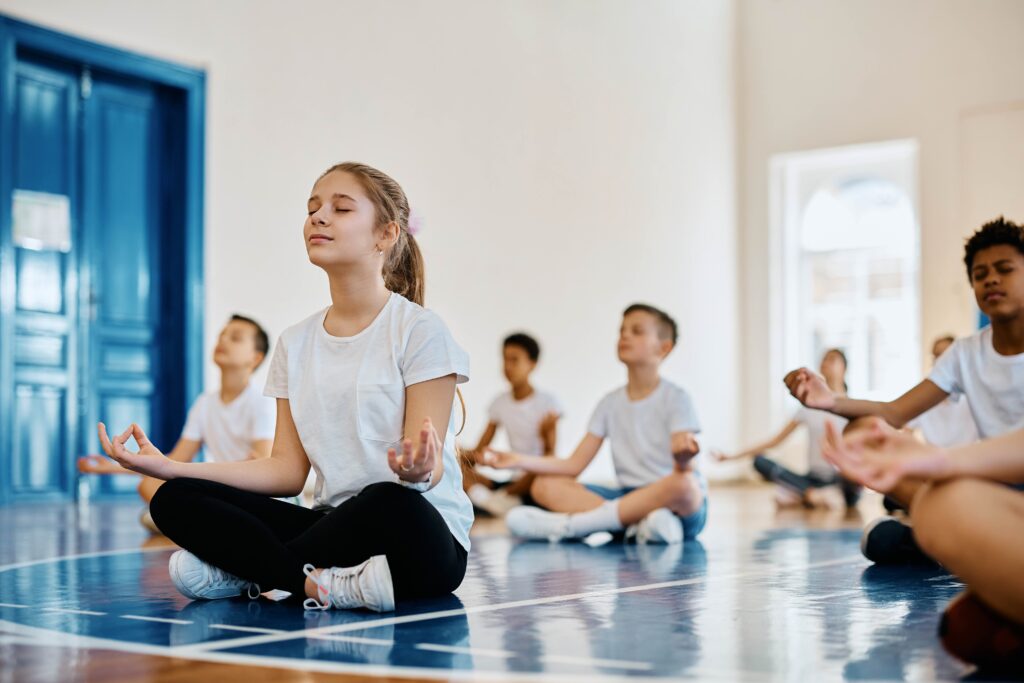
Another approach is meditation for teens. Even spending five to ten minutes focusing on breathing, bodily sensations, or guided meditation exercises can help calm the mind and improve emotional awareness. Some teens use mindfulness apps or recorded guided meditations, making it easier to incorporate into their daily routines.
As with any other skill, mindfulness becomes more effective with practice. Trying mindful breathing in the moment may relieve temporary stress. But consistent practice will allow adolescents to develop habits of better thinking and action in response to stress. It should be viewed as a wellness habit rather than a quick fix.
Final Thoughts
Teens face many challenges as they navigate school, relationships, and personal development. The practice of teen mindfulness offers a simple, accessible way to support mental health, improve emotional regulation, and encourage the mental wellness teens need.
By starting small and staying consistent, teens can develop not only skills to help them cope today, but lifelong skills that will support their well-being for years to come. Mindfulness isn’t about eliminating stress altogether. It’s about learning how to respond to it in healthier, more intentional ways.
For more tips on stress reduction teens need and staying consistent with your mindful habits, check out our article ‘How Teens Can Set Long-Term Goals and Stay Motivated’.