
Teenagers today are busier than ever before. Between schoolwork, extracurricular activities, social lives, and family responsibilities, teens often feel there is not enough time. As a result, they may have trouble managing their busy schedules and fulfilling all their obligations. Not because they lack the ability to do so, but because they have not yet developed effective teen time management skills.
Time management is more than just being organized- it’s a life skill that supports success in school and beyond. Research shows that how teens plan and organize their time impacts their academic performance and well-being. This article will discuss all the productivity tips teens need for success now and in the future.
How Time Management Supports Mental Health
Learning to manage time effectively doesn’t just improve productivity- it also plays a major role in mental health. When teens are overwhelmed with balancing academics and expectations, teens tend to have high anxiety and/or stress levels. However, having a clear plan in place can reduce that pressure.
Research indicates that students who can manage their time effectively report lower stress levels than those who are not, along with feeling a greater sense of control over their daily responsibilities.
In addition, learning teen time management in high school scheduling helps create structure in their lives. It allows for a healthier balance between schoolwork, social time, and rest- the most important factor in maintaining overall well-being.
Core Time Management Techniques
Teen time management may feel overwhelming at first, but it becomes much easier when broken down into simple, practical steps.
Set Clear Goals: Setting goals helps give direction and purpose to your time. Teens should focus on setting short-term goals (like completing homework and studying for exams) and long-term goals (like improving grades and getting ready for college). Making goals realistic and achievable is key to staying motivated and avoiding frustration.
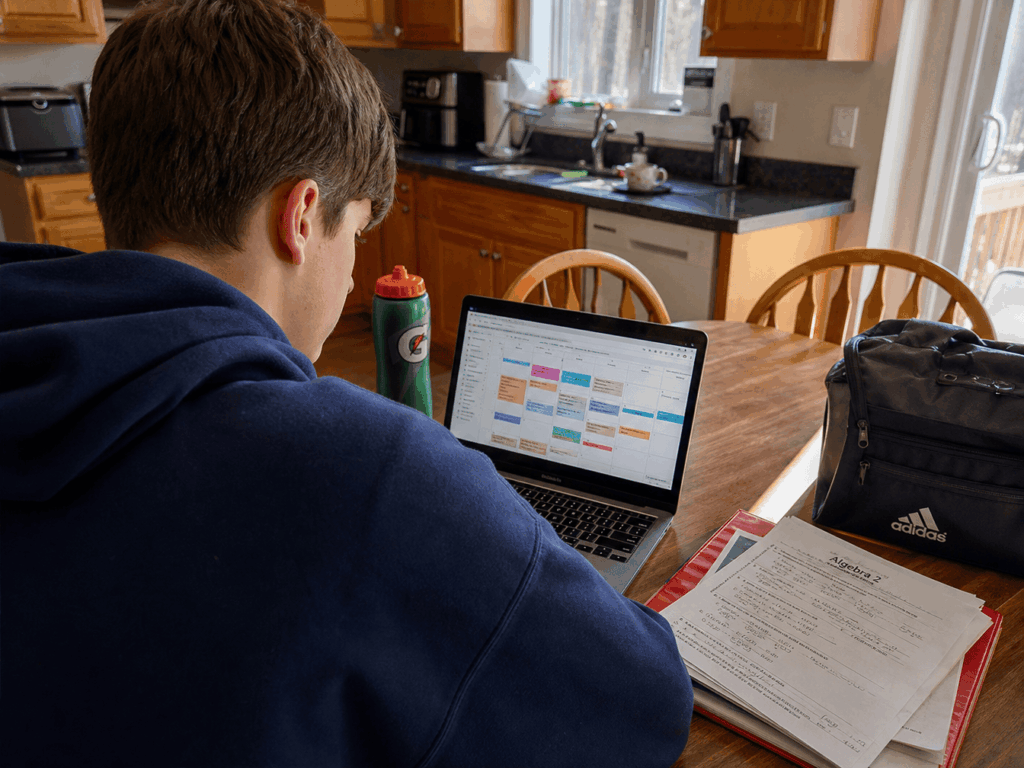
Plan Your Time: Creating a daily or weekly schedule helps students stay on track. Whether you use a paper planner, calendar, or an app, having a solid plan allows you to have a visual of what you are responsible for and determine how to manage your workload properly. Studies have shown that planning and scheduling are two of the most effective productivity tips teens need for improving productivity and balancing academics.
Prioritize Tasks: All tasks are not equally important. Learning to recognize what is urgent versus what can wait is a critical skill. Prioritization helps students focus on high-impact tasks first, while avoiding last-minute stress and doing everything all at once.
Avoiding Burnout and Staying Motivated
One of the biggest risks of poor time management is burnout. Students that are constantly behind and stressed out will become exhausted, de-motivated, and develop anxiety. Studies have shown that poor time management and lack of study planning increase the likelihood of experiencing higher levels of academic burnout and stress among young people.

Teen time management and high school scheduling is all about creating a balance that allows for both productivity and recovery. Staying motivated also requires developing consistent habits. Establishing habits like carving out a designated study time and reducing distractions like social media use will make it easier to focus.
As students execute study planning and learn which techniques are most successful for them, they will develop the self-discipline and accountability needed to support long-term success.
Final Thoughts
Managing your time isn’t about being perfect- it’s about finding balance. There are days where things happen exactly how you planned, and some when nothing happens like you wanted- and that’s okay. What matters most is building habits that help you stay organized, reduce stress, and move toward your goals. Teens that learn how to manage their time effectively gain more than just productivity. They gain confidence, independence, and a sense of control over their lives.