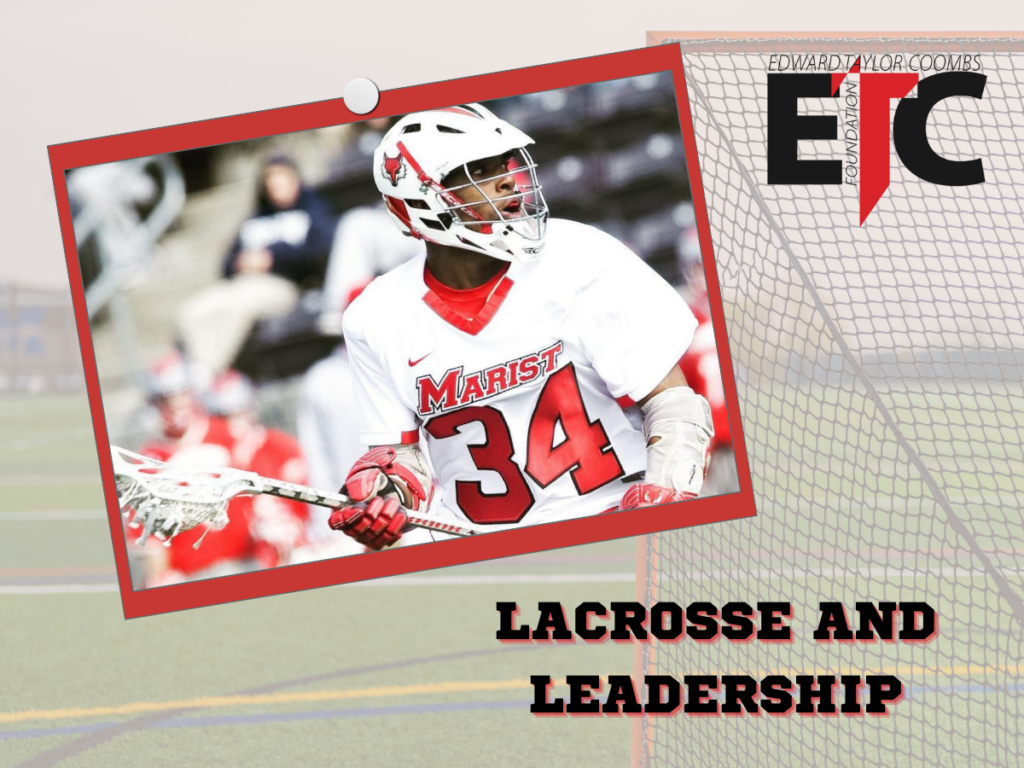
When you think of leadership, what associations do you have with it? You probably associate leadership with titles (e.g., team captain, class president, and student leader). But in reality, there is much more to leadership than simply having a title. In fact, much of leadership is about demonstrating leadership qualities through the way you treat others, your reactions to pressure, your willingness to make those around you better simply through your presence, and so on.
Edward Taylor Coombs was a gifted student-athlete who was not only an outstanding lacrosse player but also a vibrant individual. He excelled academically, received praise for having the potential to be a great leader, and went on to play lacrosse at Marist, wearing No. 34. He lived life with energy, character, warmth, and a type of enthusiasm that will always stick with his family, friends, teammates, and members of his community. His story serves as a reminder that sports can teach you more than just how to compete. Edward is a meaningful example of student athlete leadership in action.
Leadership Starts Long Before Recognition
One misconception that many people have is that leadership begins only once you have been given authority. In reality, the leadership process begins long before you ever become a leader. Leadership often starts in habits like:
- Being Prepared to show up
- Being Reliable
- Learning to Collaborate with Others
- Maintaining Discipline When No One is Watching
- Taking Ownership of Your Actions
Edward is an example of this type of leader. He was committed to not just athletics but to academics and beyond. He was an Honor Student, selected by the National Youth Leadership Forum, and obtained an internship with the Montgomery County District Attorney’s Office. Student athlete leadership is not built in one setting alone. It grows across school, sports, service, and everyday choices. Young athletes should recognize that they do not have to wait until they are named a leader. The process starts now through practice, communication, and reaction to challenges.

What Lacrosse Teaches Us About Leadership
Lacrosse is one of the fastest team sports there is. It demands quick thinking, trust, communication, and recovery. Players have to make decisions in motion, adjust in real time, and rely on each other constantly.
A player who learns lacrosse well is often learning how to:
- Stay calm under pressure
- Communicate clearly
- Recover quickly from mistakes
- Think beyond individual success
- Put the team first
In many ways, lacrosse becomes a training ground for student athlete leadership.
Strong leaders are rarely perfect. They are adaptable. They know how to respond when things do not go their way. They can absorb setbacks without losing focus. Edward’s story fits that idea. His athletic path was not just about personal recognition. It was about commitment, discipline, and contribution. Those are the traits that carry beyond the field and into adulthood.
Team Sports Foster a Sense of Belonging in Addition to Skills
Sports can provide a tremendous sense of belonging to youth in the community.
For most young athletes, their first experience with accountability and responsibility is as part of, and in service to, a team. The benefits of being part of a team environment are to be able to learn that you are challenged and supported, and that you matter.
The social benefits associated with participation in sports are significantly greater than most parents understand. Research indicates that participation in youth sports supports and grows an athlete’s social development, self-esteem, and connection to peers. In addition, youth participating in team-based sports feel acknowledged and supported during the formative years when their identities and self-confidence are being developed. These are also key foundations of student athlete leadership. Edward’s legacy continues to be strong today because he is remembered as a very gifted and athletic individual who also established personal connections with those he came into contact with. Leadership is not simply about being an impressive person; it also involves establishing an environment in which other individuals feel included, valued, and respected.

Leadership Is Learned Through Daily Habits
There is a tendency to talk about leadership as if some people are simply born with it. But much of the research on athlete development suggests the opposite: leadership can be taught, practiced, and strengthened.
Young people learn leadership by doing things repeatedly like:
- Speaking up with respect
- Listening to coaches
- Encouraging teammates
- Taking responsibility after mistakes
- Staying committed to a goal
- Learning how to serve the group, not just themselves
There is more to leadership than just title. Strive to build yourself into a person that others will want to have as a trusted mentor; someone who is approachable, supportive, and creates a positive environment for others. That is the everyday reality of student athlete leadership. Edward’s journey reflects that broader understanding of leadership. His example suggests that character and consistency can leave just as much of a mark as visible achievement.
A Legacy That Still Leads
One of the strongest signs of leadership is influence that continues after someone is gone.
The Edward Taylor Coombs Foundation continues to ensure that Edward’s influence continues through their scholarship program, events, and educational programs. The ETC Foundation desires to be a resource for young people to develop their potential and will take Edward’s positive values to students who may never have met him, but function as role models for their development.
This is what true legacy looks like – not only being remembered, but impacting the lives of others.