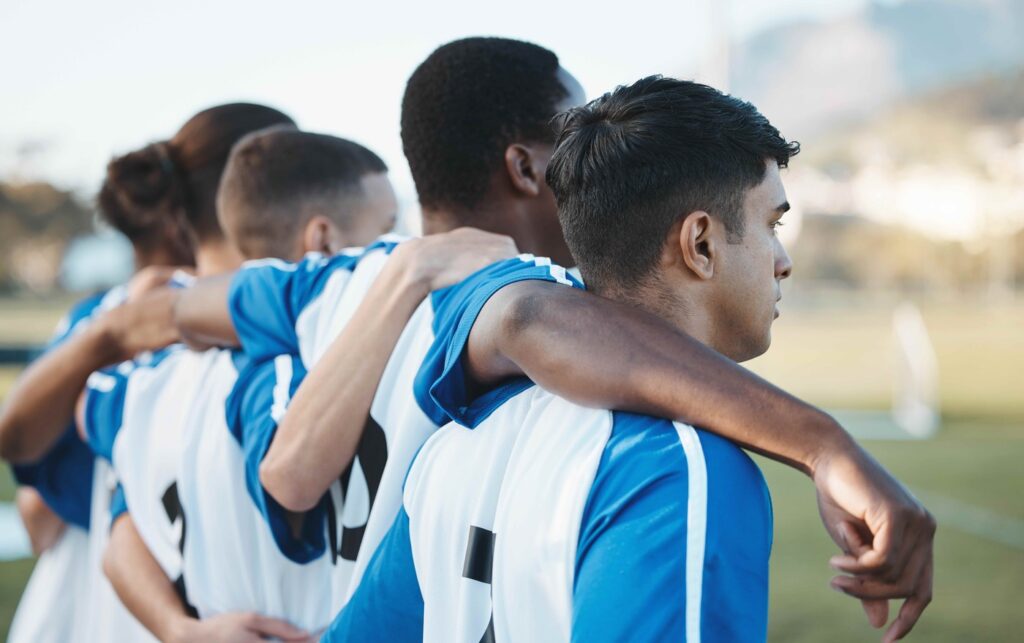
The collaborative aspect of team sports encourages emotional and psychological development in addition to competition-driven performance. However, the Edward Taylor Coombs Foundation understands that team sports impact beyond performance, and contains benefits such as developing resiliency, thinkers, and socially connected people.
Science has demonstrated the correlation between Mental Health and Academic Success through Youth Development, ultimately establishing Team Sports as one of the best and most overlooked Developmental tools available to us today. In this article, we’ll look into what recent studies have unearthed concerning the long-term effects of team sports- and how they nurture essential team sports life skills in young athletes.
Mental Health & Emotional Well-Being
Several recent studies demonstrate a strong link between participation in Team Sports and Positive Mental Health outcomes in children and adolescents. The National Institutes of Health has reported that youth who participate in a team sport are significantly less likely to experience symptoms of anxiety, depression, and stress than youth who do not participate in organized sports. One of the key factors responsible for these significantly improved outcomes is the sense of belonging that children experience due to being part of a Team
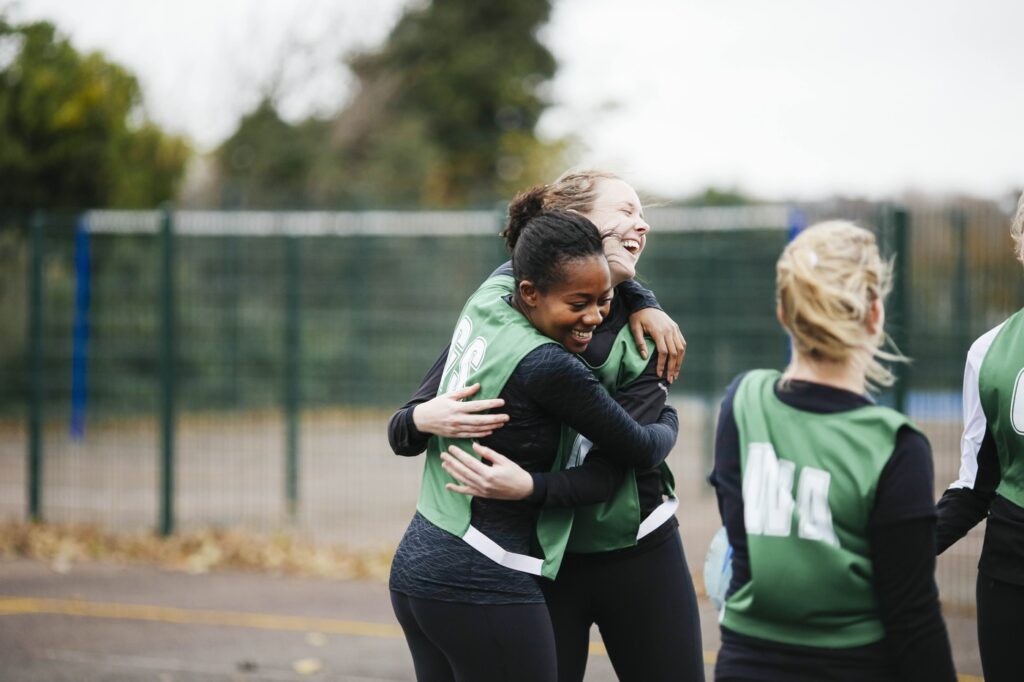
According to a study published in the Journal of Adolescent Health, athletic engagement in team sports results in greater social connection to others and emotional support; both of which serve as a protective factor for adolescents with mental health concerns. Through practicing teamwork, youth learn to regulate emotions while building confidence through peer affirmation.
In addition to emotional benefits, these environments develop crucial team sports life skills like empathy, communication, and trust- skills that form the foundation of healthy adult relationships and emotional intelligence. As we continue to place greater emphasis on using sports as more than just a method of exercise but as a form of mental health intervention, we may see some positive change in regard to youth emotional well-being through the intentional development of team sports life skills.
Academic & Cognitive Benefits
While there was once a stereotype that student-athletes do not excel academically, studies have proved that this is not the case. Instead, research has shown that athletic participation provides valuable benefits to cognitive and academic performance. A comprehensive research study published in Frontiers In Psychology found compelling evidence that athletic participation directly correlates with increased levels of executive functions such as improved cognitive flexibility, focus, and memory.
Importantly, this balance between academics and athletics instills team sports life skills like persistence, delayed gratification, and goal-setting- traits that translate well into college and future careers.
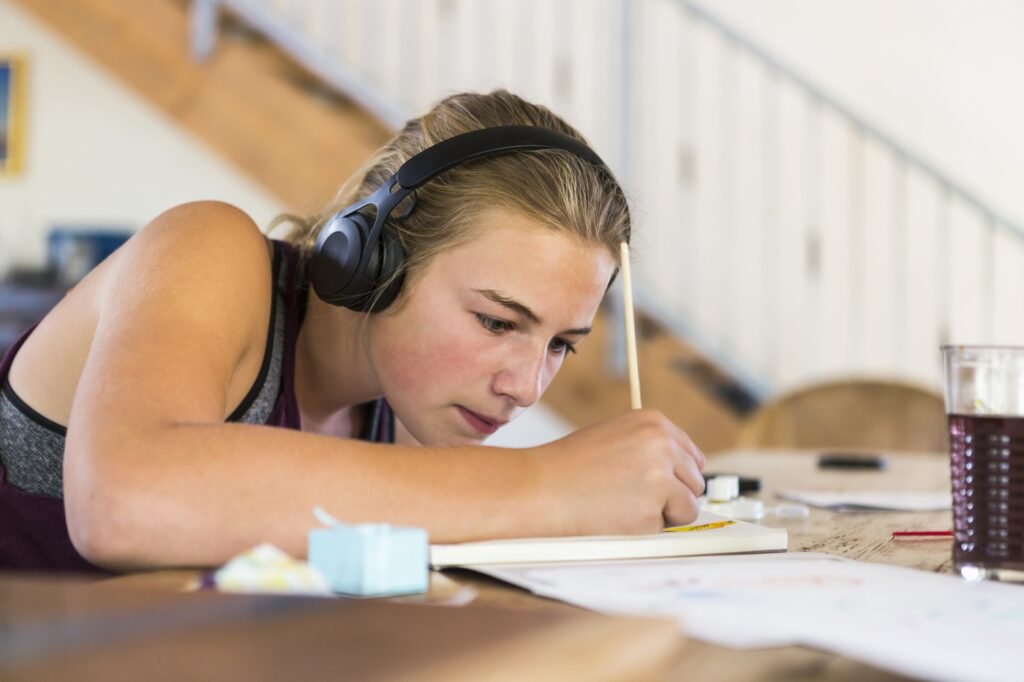
From a behavioral standpoint, student-athletes must develop discipline, time management, and prioritization capabilities in order to participate in both athletic practices effectively and classwork. Edutopia reports that when student-athletes are supported by quality coaching and a system of academic accountability, they outperform their peers on every measure of attendance, GPA, and engagement. These experiences are foundational in building team sports life skills that can help youth navigate both personal and academic obstacles. For this reason, ETC will continue to provide resources to engage both scholar-athletes in their respective arenas.
Long-Term Psychological Resilience
The emerging research that is particularly exciting is the recognition of the benefits derived from participating in a team sport continues into adulthood. In a study published by JAMA Pediatrics, it was shown that young adults who had engaged in a team sport during their adolescent years had significantly improved mental health outcomes. They experienced decreased anxiety and depression and increased life satisfaction and emotional resiliency.
Why does this happen? The answer is simple: team sports teach youth to cope with adversity. Whether it be losing a tough game, learning how to work through conflicts with teammates, or dealing with a demanding coach. The coping mechanisms youth develop through their numerous experiences as an athlete enable them to be resilient throughout their adult lives. The team environment fosters leadership, accountability, and responsibility for others, as well as the ability to accept constructive criticism. These are not only valuable emotional traits- they are also essential team sports life skills. Many of these adolescents become leaders not only in their school and community, but in their chosen careers as well. They develop the ability to adapt and grow through adversity, and not only because of the wins, but also because they have learned how to lose, adapt, and grow due to working with one another through shared team sports life skills.
Final Thoughts: Reframing Team Sports in Education & Community
Team sports are not solely limited to athletic development. Team sports provide the opportunity to holistically develop healthier, smarter, and more resilient individuals. Therefore, stakeholders within schools, communities, and families need to create opportunities for inclusive access to these benefits. This includes investing in youth programs, increasing access to recreational activities within under-resourced communities, and viewing and acknowledging the role of coaches as mentors rather than just as tacticians. Foundations such as the ETC Foundation are paving the way for the growth of student-athletes and embodying the true essence of leadership, discipline, and social responsibility. By supporting sports as tools for learning and life- not just physical performance- we ensure that every student can access the life-changing impact of team sports life skills.